Antibiotic
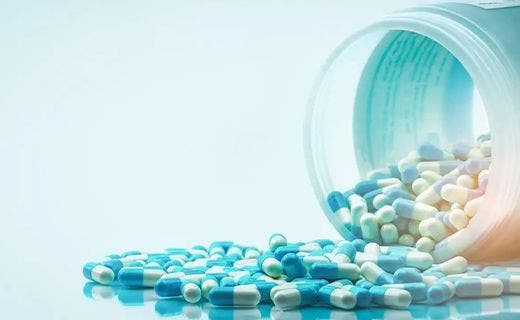
A medicine that kills bacteria or stops their growth.
A Medical Breakthrough
The invention that changed medicine
From Alexander Fleming's accidental discovery to the AI era — a century of antibiotics, resistance, and hope.
01 · Introduction
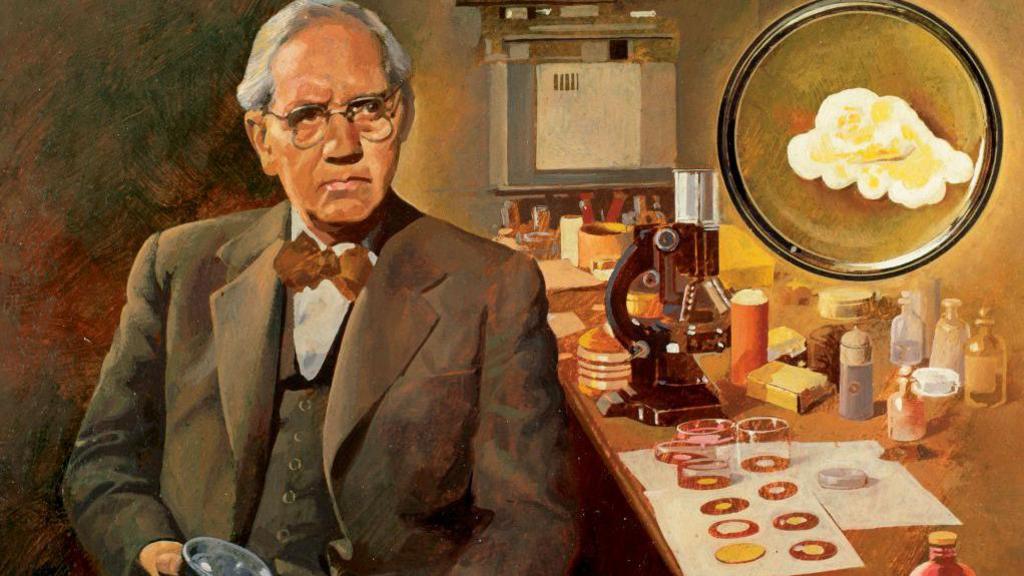
Penicillin is one of the most important inventions in the history of medicine. It was the first true antibiotic — a compound produced by a fungus that kills bacteria or stops their growth.
Before its discovery, common infections such as pneumonia, gonorrhea, or an infected wound could easily become fatal. Alexander Fleming discovered penicillin in 1928, didn't he? His discovery opened the door to modern medicine as we know it.
A medicine that kills bacteria or stops their growth.
Produced naturally by Penicillium notatum.
Before penicillin, even minor infections could be deadly.
02 · The Science
Penicillin works by interfering with the formation of the bacterial cell wall. Without a proper wall, bacteria cannot survive — especially when they try to divide.
Because human cells do not have a cell wall, the drug is selectively toxic: it harms bacteria without harming the patient. This is why penicillin and its derivatives — ampicillin, amoxicillin, methicillin — became the foundation of modern medicine.
03 · Timeline · Stage 01
The rise of resistance — mid-1970s
By the 1970s, penicillin had been saving lives for more than three decades. However, the bacteria were fighting back. Penicillin resistance, which had mainly been a problem inside hospitals, had spread to community-acquired infections.
The bacteria had learned to produce enzymes called beta-lactamases that destroyed the drug. This was a serious wake-up call for the medical world.
03 · Timeline · Stage 02
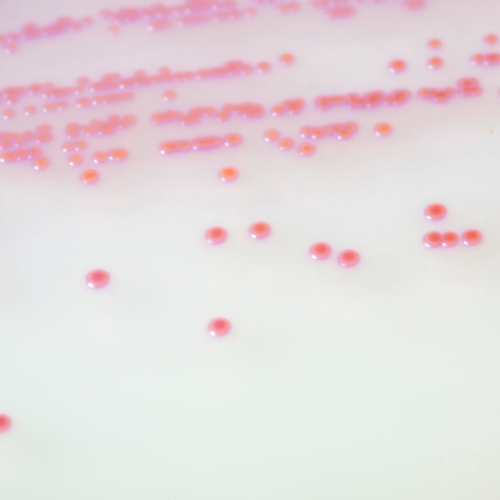
The MRSA crisis — around 2000
By the year 2000, methicillin-resistant Staphylococcus aureus (MRSA) had become a global pathogen. In Canada, the incidence of MRSA increased from 1% in 1995 to 8% by the end of 2000.
Penicillin and its derivatives were becoming less effective against common infections. Hospitals around the world were struggling with diseases that had once been easily treatable. MRSA became a global problem in the 1990s, didn't it?
03 · Timeline · Stage 03
Crisis and the AI revolution — 2025–2026
Today, antimicrobial resistance is considered a global health emergency by the World Health Organization. The WHO estimates that by 2050, antibiotic-resistant infections will be associated with more than eight million deaths every year.
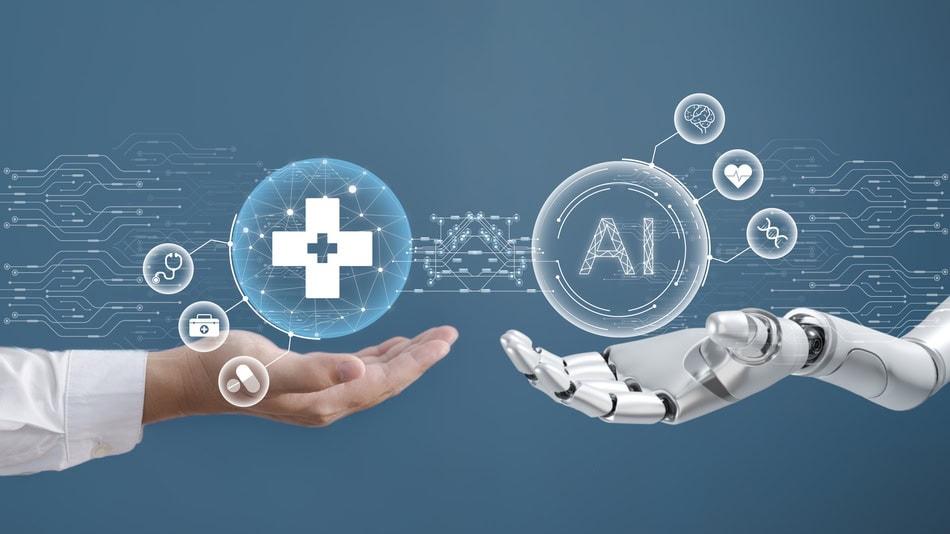
However, science is not standing still. Researchers are now using generative AI to design never-before-seen molecules that can kill resistant bacteria. Penicillin is still used today for many infections, isn't it?

03 · Timeline · Stage 04
AI-designed antibiotics
The future of penicillin and antibiotics points toward a multidisciplinary approach. Scientists are combining AI with physics-based simulations to design new peptides that can kill dangerous bacteria such as E. coli. AI will help design new antibiotics, won't it?
The goal is to revitalize the antibiotic pipeline and face the growing threat of resistance. If governments and scientists do not act now, antimicrobial resistance will cause millions of deaths, won't it?
04 · Vocabulary
These six terms are the heart of the story of penicillin, and help us understand the challenges we face today.
A medicine that kills bacteria or stops their growth.
Microscopic organisms that can cause infections.
Antimicrobial resistance — bacteria surviving the medicines that once killed them.
The first true antibiotic, discovered by Alexander Fleming in 1928.
An organism like Penicillium notatum, from which penicillin was extracted.
The invasion of the body by harmful microorganisms.
05 · Impact
Penicillin transformed medicine in ways that are difficult to overstate. It made possible procedures and treatments that are now routine — and it added roughly a decade to global life expectancy.
Routine and emergency surgery, including cesarean sections and joint replacements.
Chemotherapy weakens the immune system and requires antibiotics to prevent infections.
Immunosuppressed patients depend on antibiotics to control infections.
Strep throat, syphilis, and pneumonia are now easily treatable.
06 · Challenge
Antimicrobial resistance (AMR) is now one of the greatest threats to global public health. It occurs when bacteria evolve mechanisms to survive the drugs that once killed them. Bacteria are becoming more resistant to antibiotics, aren't they?
07 · Ethics
The history of penicillin also raises important ethical questions about access, responsibility, and equity.
Penicillin is cheap today, but in some low-income countries, patients still die from treatable infections.
Doctors, patients, and farmers all play a role in preserving the effectiveness of antibiotics.
New drugs are expensive to develop, and market incentives often do not reward antibiotic research.
The benefits of AI-driven drug discovery must reach all countries, not only wealthy ones.
Penicillin is more than a medicine. It is a symbol of human ingenuity, a turning point in medical history, and a reminder that science must keep evolving. From Fleming's accidental discovery in 1928 to the AI-driven laboratories of 2026, its story is one of adaptation, resistance, and hope.